

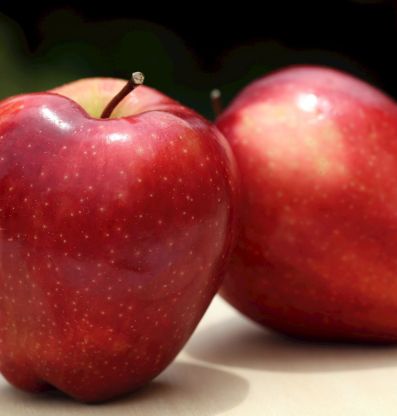
Dazzle Apples imported from New Zealand
129.000 VND
Dr. Nguyen Trong Hung, Head of the Department of Adult Nutrition Consultation, National Institute of Nutrition, said that oranges have always been known as a rich source of natural vitamin C. 100g of oranges contain 50mg of vitamin C. However, the amount of vitamin C in guava is 4 times more than oranges, 100g of guava contains 228mg of vitamin C.
Vitamin C is also known as ascorbic acid - the best immune-boosting micronutrient and also participates in many normal functions of the body. Vitamin C supports resistance, fights infections such as flu, and heals wounds quickly. Vitamin C is also known as an antioxidant, helping to protect cells from damage from free radicals. Cell damage from free radicals causes cardiovascular disease, cancer and other chronic diseases.
In addition to the fruit, guava leaves are also considered a "miracle drug" to cure diseases. According to General Practitioner Bui Dac Sang, Academy of Science and Technology, young guava leaves or young buds of guava leaves contain about 3% resin and 7-10% tannin, antioxidants such as vitamin C and flavonoids, antibacterial and anti-inflammatory substances... Due to their anti-inflammatory properties, guava leaves are often used as an ingredient in toothpaste, to cool the mouth, relieve toothache, treat gum disease, mouth ulcers and treat sore throats. You can gargle with guava leaf tea or guava leaves made into a natural paste at home to brush your teeth.
People use guava leaves to make tea products, exported to Europe and North America. To prepare a cup of guava leaf tea, soak a handful of guava leaves in hot water for about 15 minutes, filter the water, remove the leaves. Boil this water with tea to drink, or brew it with hot water with green tea leaves to drink during the day, which is good for your health.
Doctor Hung advised that the Covid-19 epidemic is complicated, so we should increase the body's resistance with natural foods rich in vitamin C. In addition to guava, another fruit rich in vitamin C is kiwi. One kiwi is equivalent to one egg but contains up to 85 mg of vitamin C. Eating fresh kiwi for dessert every morning is the best time to absolutely preserve the amount of vitamin C. Two medium-sized kiwis can provide about 230% of the recommended daily amount of vitamin C, almost double that of oranges. Kiwi can be added to salads, sliced into a few slices to eat with yogurt or used with kiwi and strawberries to make cakes. According to the doctor, foods rich in vitamin C help increase resistance, suitable for use during the Covid-19 epidemic to improve health. The recommended daily vitamin C requirement is as follows: Children 6-11 months need 25-30 mg; children 1-6 years old 30 mg, children 7-9 years old 35 mg; adolescents 10-18 years old is 65 mg; Adults 70 mg; pregnant women 80 mg; breastfeeding mothers 95 mg.
In case the body has poor digestion and absorption, you can supplement foods containing vitamin C, in forms such as oral tablets, chewable tablets, liquid medicine, injections... However, how to supplement and how much should be according to the doctor's instructions.